Medical masks are expected to meet stricter standards than ordinary face coverings. To be considered suitable for medical use, they must show reliable filtration performance, acceptable breathability, material safety, and manufacturing consistency. These requirements matter because a mask that appears similar on the surface may differ greatly in test results, regulatory status, and overall quality control. Without a clear understanding of certifications and standards, it becomes difficult to judge whether a product can truly meet safety expectations.
Medical mask compliance is not defined by a single label or test report. It is built through a combination of regulatory classification, technical testing, documented quality controls, and production management. This is why understanding the most common certifications and legal requirements is essential when evaluating medical masks for real-world use.
Why Regulations Matter in Medical Mask Safety
Regulations exist to turn product claims into measurable standards. Instead of relying on general statements about protection, regulatory frameworks define how a medical mask should be tested, what performance levels it must meet, and how product quality should be controlled during manufacturing.
A compliant medical mask is generally expected to demonstrate:
- Reliable bacterial filtration performance
- Good breathability for practical wear
- Safe materials for facial contact
- Consistent quality from batch to batch
- Clear labeling and traceable product information
These requirements help reduce uncertainty and make it easier to distinguish verified medical masks from products with incomplete or unsupported claims.
Common Medical Mask Standards and Certifications
Different markets use different regulatory systems, but the goal is similar: to confirm that medical masks meet recognized safety and performance requirements. Understanding the major frameworks can make certification language much easier to interpret.
Before looking at individual test items, the table below gives a quick overview of common standards used in major markets.
| Market |
Common Standard or Requirement |
Main Focus |
| Taiwan |
CNS 14774 and medical device regulations |
Bacterial filtration, breathability, product compliance |
| United States | ASTM F2100 and related regulatory requirements | Filtration, differential pressure, splash resistance, flammability |
| European Union | EN 14683 and CE-related compliance | BFE, breathability, splash resistance for applicable mask types |
| Other markets | Local registration and recognized testing frameworks | Safety, labeling, technical documentation |
Although these systems differ in structure, they all aim to verify whether a medical mask can meet defined safety expectations in its intended market.
Key Test Standards Behind Medical Mask Compliance
Certifications often sound complex, but they are usually supported by a smaller group of core test criteria. These test items are especially important because they help determine whether a medical mask provides the expected balance of protection, comfort, and material safety.
Bacterial Filtration Efficiency (BFE)
BFE measures how effectively a mask can filter bacteria-containing droplets. It is one of the most widely recognized indicators of medical mask performance and is often central to regulatory evaluation.
Differential Pressure
Differential pressure is used to assess breathability. Strong filtration alone is not enough if airflow resistance is too high. A medical mask should support both protection and comfortable wear.
Splash Resistance
Some medical mask categories also require splash resistance testing. This helps evaluate the mask’s ability to resist fluid penetration, which may be important in environments where exposure to droplets is possible.
Flammability and Biocompatibility
Medical masks may also be assessed for flammability and biocompatibility. These tests help confirm that the materials are suitable for safe use, especially when the product is worn close to the skin for extended periods.
Compliance Also Depends on Manufacturing Control
A good laboratory result does not, by itself, guarantee long-term product reliability. Compliance also depends on whether manufacturing is carried out under controlled conditions and whether quality is managed systematically from beginning to end.
This is why medical mask regulations often extend beyond product testing and include process-related expectations such as:
- Raw material inspection
- In-process quality checks
- Finished product verification
- Controlled manufacturing environments
- Documented records for consistency and traceability
When these controls are in place, product performance is more likely to remain stable across production batches rather than vary over time.
How YOHO Aligns with Medical Mask Safety Standards
This is why it is important to look beyond general product claims and focus on whether testing, standards, and production control are aligned in a consistent way.
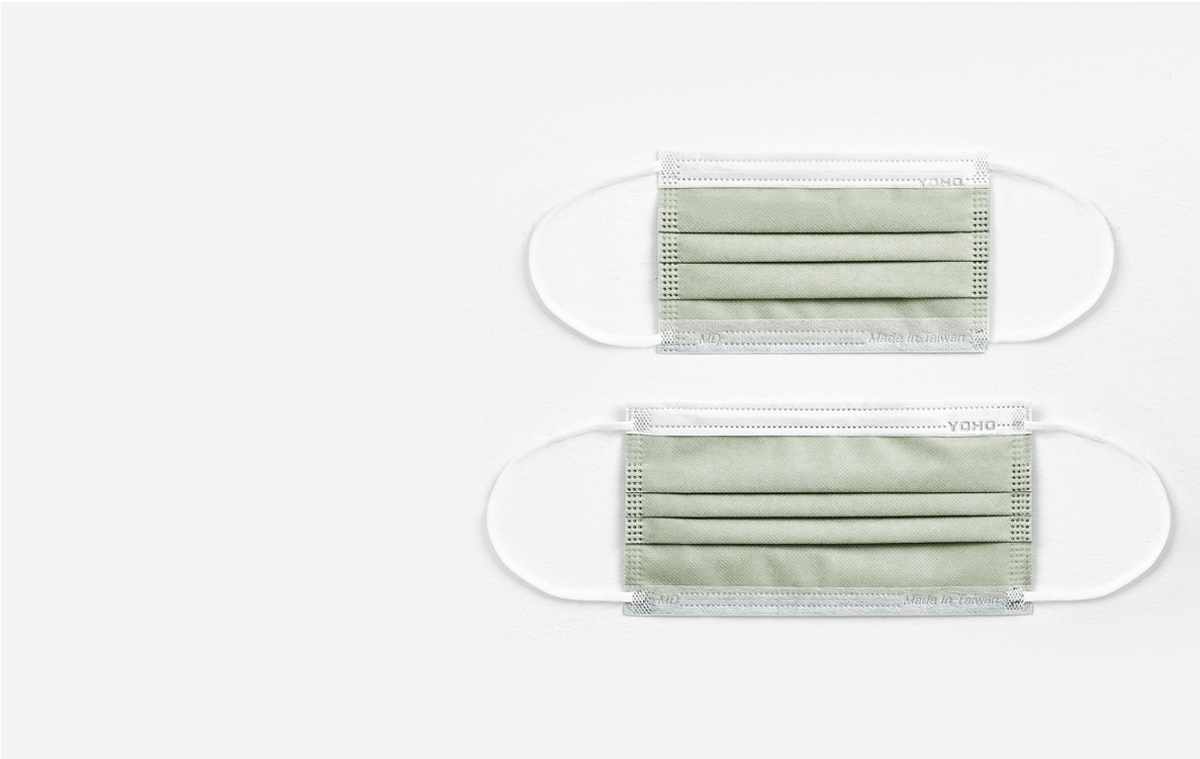
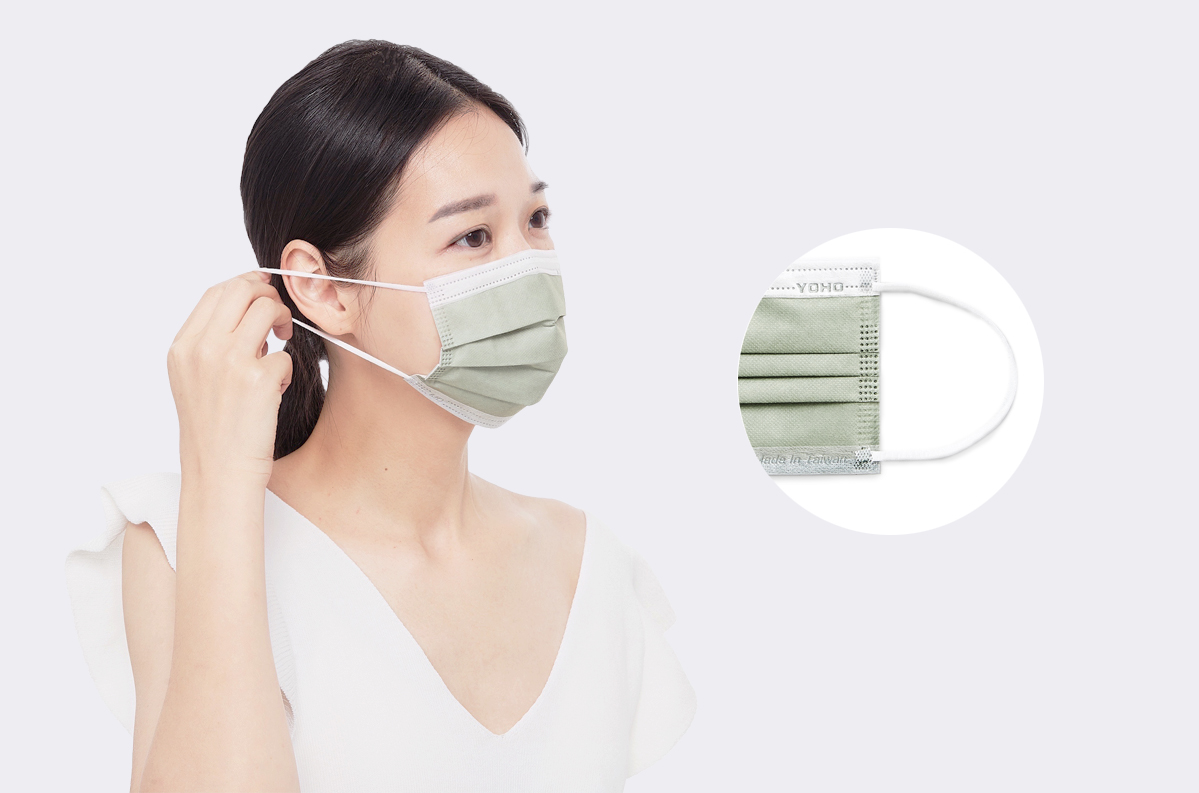
YOHO medical masks are produced in clean environments and supported by high-efficiency filtration materials designed to meet important safety and performance requirements. Development and manufacturing focus on the factors that matter most in medical mask compliance, including bacterial filtration efficiency, breathability, wearing comfort, and production consistency.
Multi-stage quality assurance is applied from raw materials to final packaging. The masks comply with CNS 14774 standards and are SGS certified, while OEM/ODM customization is also available to support different product and compliance requirements across markets. This approach helps maintain a stable quality framework while adapting to practical market needs.
Building Confidence Through Verified Standards
Medical mask regulations and certifications matter because they provide a structured way to evaluate safety, quality, and product consistency. BFE, breathability, splash resistance, material safety, and manufacturing control all contribute to whether a mask is truly suitable for medical use. When these requirements are understood clearly and supported by verifiable information, it becomes much easier to identify medical masks that offer both compliance confidence and dependable protection. Feel free to contact YOHO for more about medical masks!