Residual Chemicals ‧Fluorescent agents, bleach, dyes ‧Using a new towel without washing it first
Irritation from Laundry Detergent or Fabric Softener ‧ Adult detergents with strong fragrances or enzymes ‧Using fabric softeners (can be very irritating to a baby’s skin)
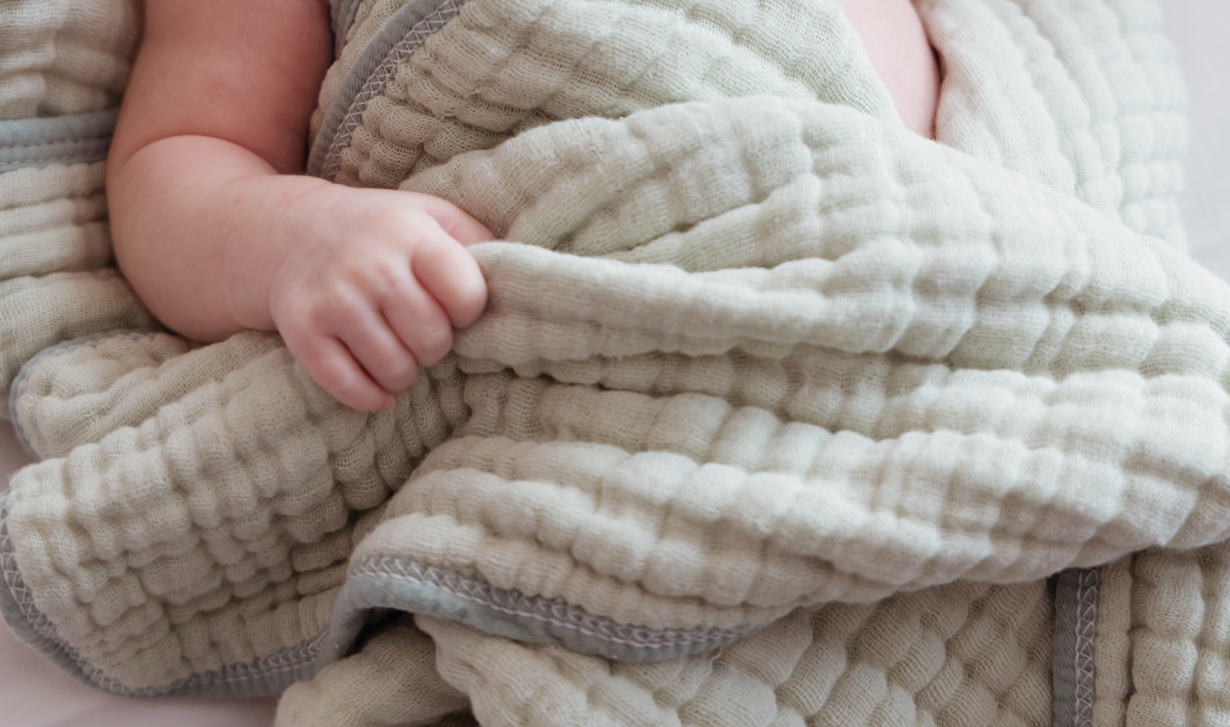
Unsuitable Material ‧ Non-pure cotton, blended fabrics, or rough surfaces ‧Towels with few gauze layers or stiff fibers
Bacteria or Mold from Moisture ‧ Bacteria or Mold from Moisture ‧Stored in a damp environment
How to Prevent Baby Allergies Caused by Towels
Choose 100% pure cotton, gauze, or natural towel materials that are gentle and non-irritating.
Check the weave and thickness to ensure the towel can quickly absorb surface water after bathing, keeping the baby dry while retaining warmth.
Pay attention to safety labels to ensure the towel does not contain harmful chemicals, fluorescent agents, formaldehyde, or other toxic substances.
Wash new towels 1–2 times to remove residual processing chemicals, using fragrance-free, fluorescent-free baby detergent.
Advantages of Hooded Towels for Babies
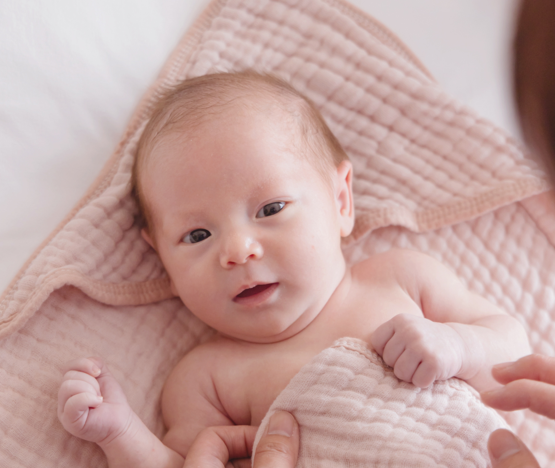
The hood design helps secure the baby’s head and shoulders, preventing the towel from slipping after a bath, making wrapping easier and safer.
Babies are prone to getting cold after a bath; the hood covers the head and reduces heat loss, keeping the baby warmer.
Wrapping the baby from head to toe helps absorb water faster, especially useful in winter or air-conditioned rooms.
Hooded towels can reduce fussiness and enhance comfort, as the baby feels snug and less likely to be stressed or cry.