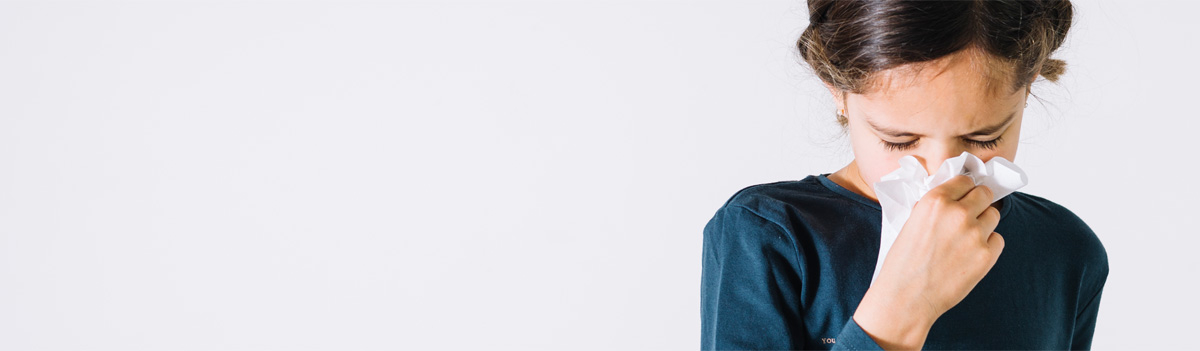
Wearing a mask is an effective way to reduce exposure to airborne allergens, especially for people with allergic rhinitis or asthma.
Blocking Allergens from Entering the Respiratory Tract
- The middle layer of a mask (melt-blown nonwoven fabric) has excellent filtration properties and can filter out pollen, airborne dust, dust mites, PM2.5, and air pollutants. These are the main triggers of sneezing, runny nose, nasal itching, and eye discomfort.
Reducing Direct Irritation to the Nasal Passages
- Wearing a mask helps reduce direct exposure of the nose to cold or dry air, which is particularly helpful for people with “cold air sensitivity,” easing related symptoms.
Which Type of Mask Is Most Effective for Relieving Allergy Symptoms?
- Medical masks are highly effective against pollen and dust allergens. When choosing a mask, look for one that is breathable and not stuffy, making it suitable for long-term wear.
⚠️ Points to Note When Wearing a Mask for Long Periods:
1.Choose an appropriate mask made of breathable, non-stuffy materials.
2.Select masks with wide, elastic ear loops to prevent pain behind the ears during extended wear.
3.Avoid using mask covers or cotton cloth masks, as they increase heat buildup and have poorer breathability.
4.Replace masks regularly. If a mask becomes damaged, develops an odor, or gets dirty, it should be replaced immediately.
Correct Steps for Wearing a Mask
